Digital money kids can hold
Money is going invisible. Kids have traditionally learned to save by feeding a piggy bank. So how does a child learn to save money they can’t touch?
$534K program · two phases, three months each · team of 6–7 across UX, industrial design, hardware, and software
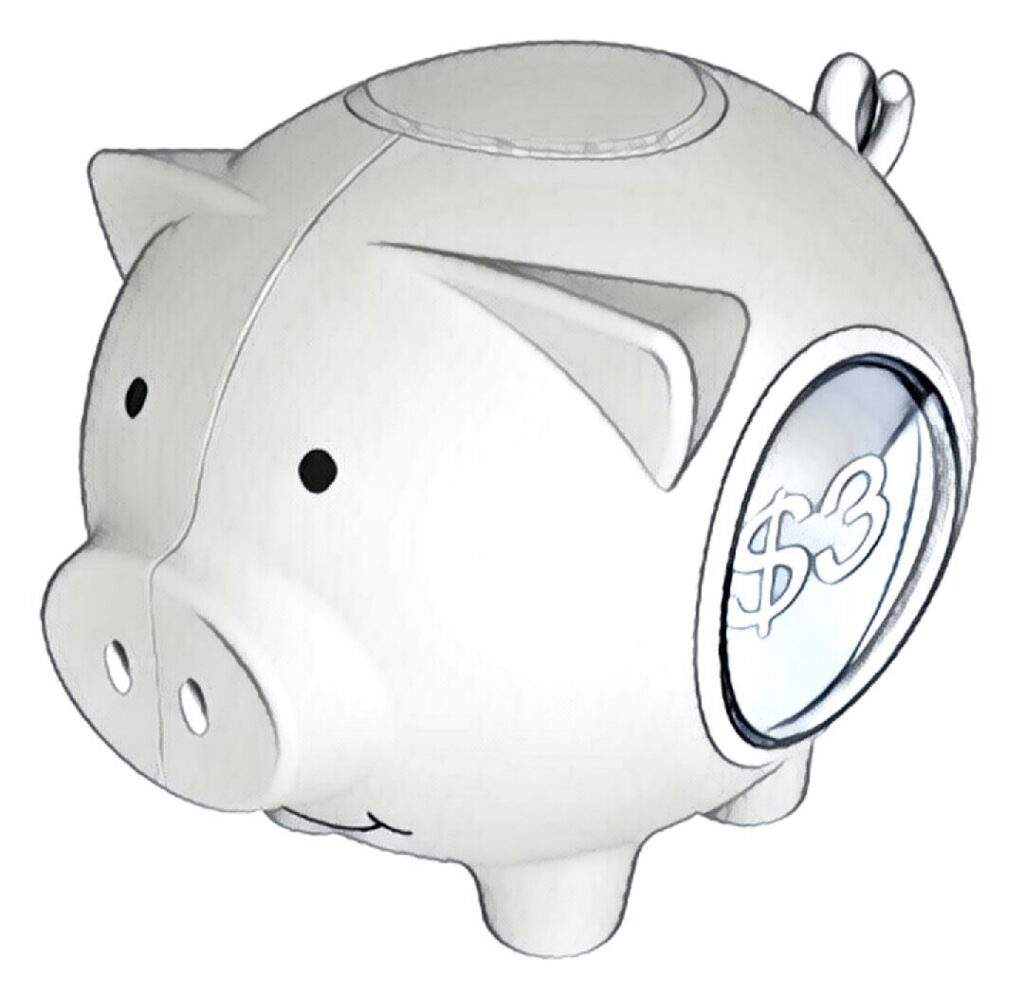
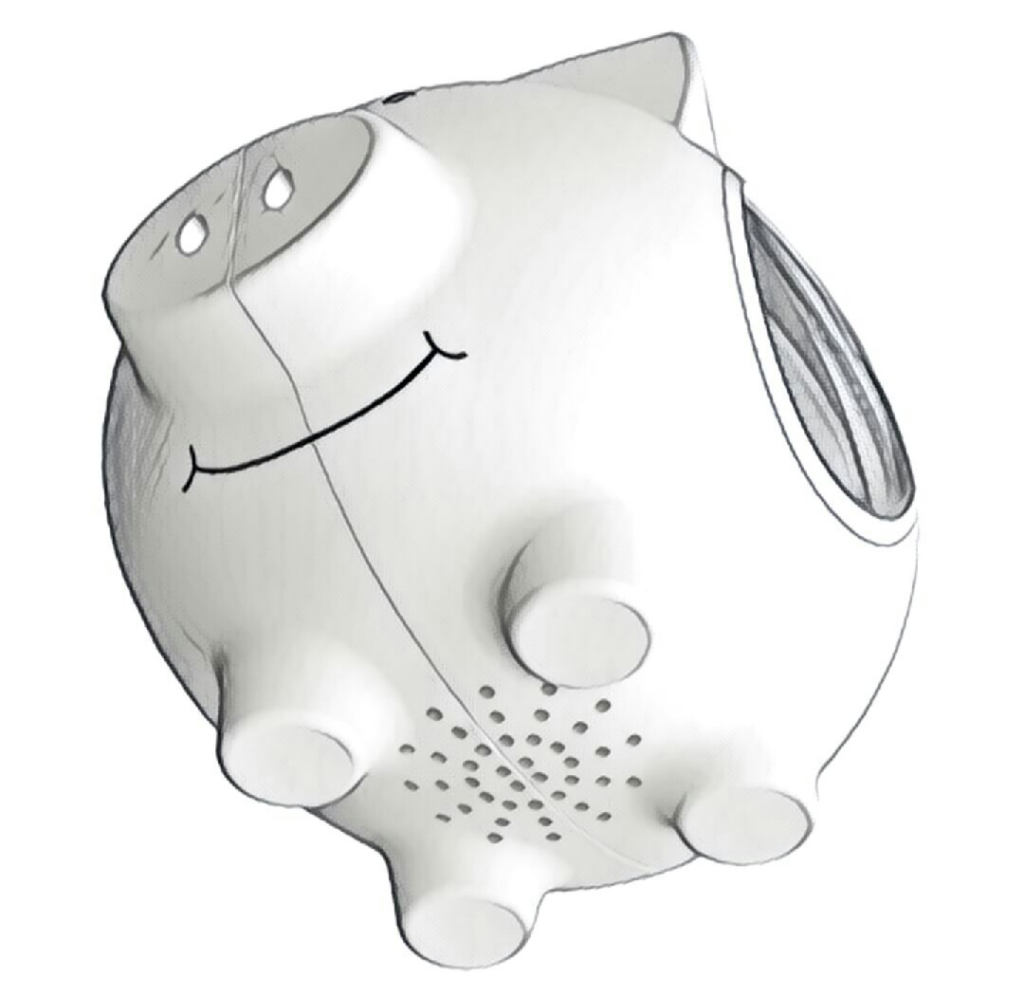
The stuck thing
Capital One wanted kids to build money habits in a digital-only era. But the way children have always learned saving — drop the coin, hear it land, feel the bank get heavier — was disappearing along with cash. An app doesn’t teach a four-year-old anything about money. And it had a job to do for the bank: a low-cost giveaway — the toaster a bank once handed out to win an account — meant to bring young savers into their parent’s bank.
The diagnosis
The piggy bank was never about the pig. It was about feedback a child could feel: saving as a physical act with visible consequence. The answer wasn’t to move the lesson onto a screen, it was to keep the object and connect it to the money’s new invisible form.
Made it go
From research, workshops, and concept direction through UX design, prototyping, assets, and documentation: a smart, connected piggy bank: a functional educational toy that makes a child’s digital balance something they can see, hear, and hold. Delivered as a mature design ready to scale to production.
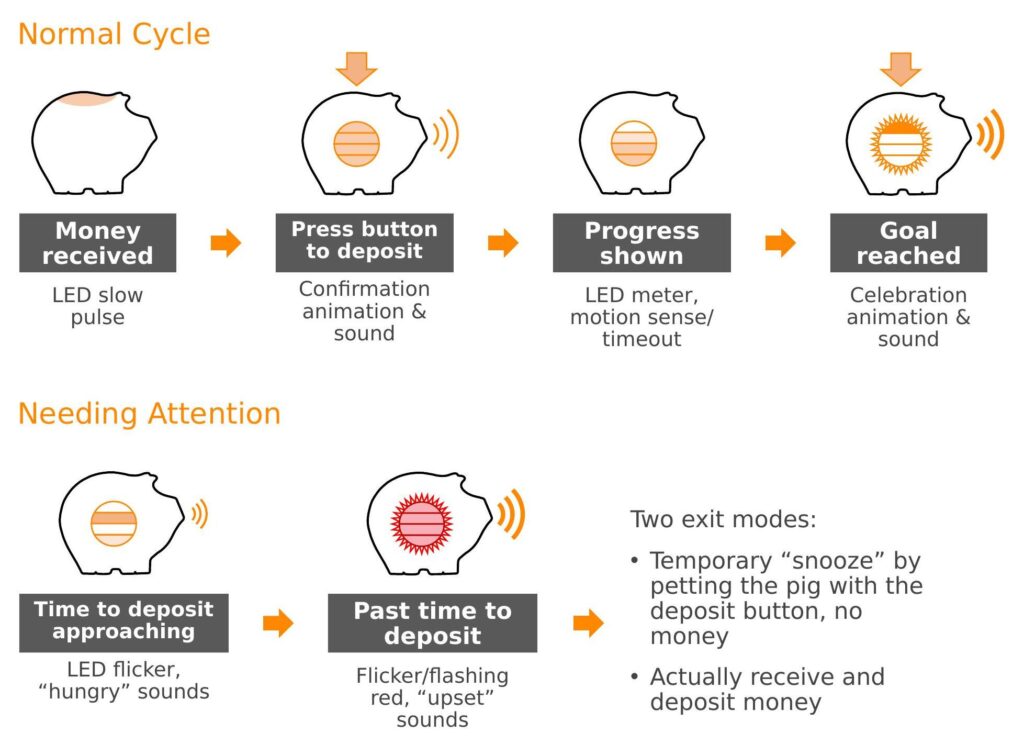
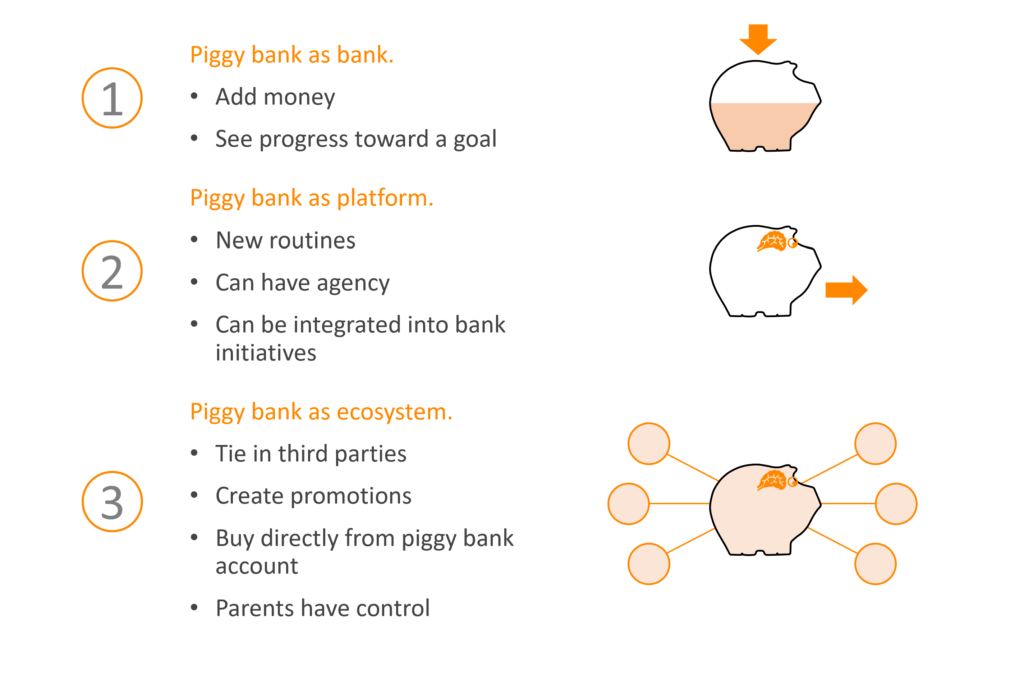
The bank was designed with a sentiment life of its own. It pulses softly when money arrives; a press of the deposit button answers with sound and animation; it gets hungry when deposits lapse, and celebrates when a goal is met. Its moods stay gentle by design — the pig never becomes a Furby, the toy parents resented for chattering with no off switch — so its unhappy reactions are mild and a mute is always in reach. A child can even earmark savings toward a goal by touching its ears. Behind the pig sits real banking: the device ties to a sub-account, and money arrives electronically from a parent’s phone while the object makes it tangible.
research · concept direction · UX design · prototyping · documentation
← All work · Have a stuck thing? Tell me about it →