The last six years
The pandemic caught me mid-project. I was booked to fly to the Bay Area when the lockdowns landed; the work went remote, and then it went away.
What survived it was Sigma Connectivity — I’d worked with the principal for three years at Room 5 and several more after. In 2021 that ended too. It’s an ordinary thing to happen, and it still takes the floor out.
What filled the space was my hometown: a small desert town with few services, and my mother, who needs full-time care. For four years I drove back and forth, unpaid and unofficial, before it became formal work in 2024 as an In-Home Supportive Services (IHSS) provider.
The work never stopped. It changed materials.
These did not happen one after another. The RV frame and the cat route overlapped; the remediation year ran through the CoLab build-out; the porch set was drawn in the same months as the last of the remediation. The caregiving ran under all of it.
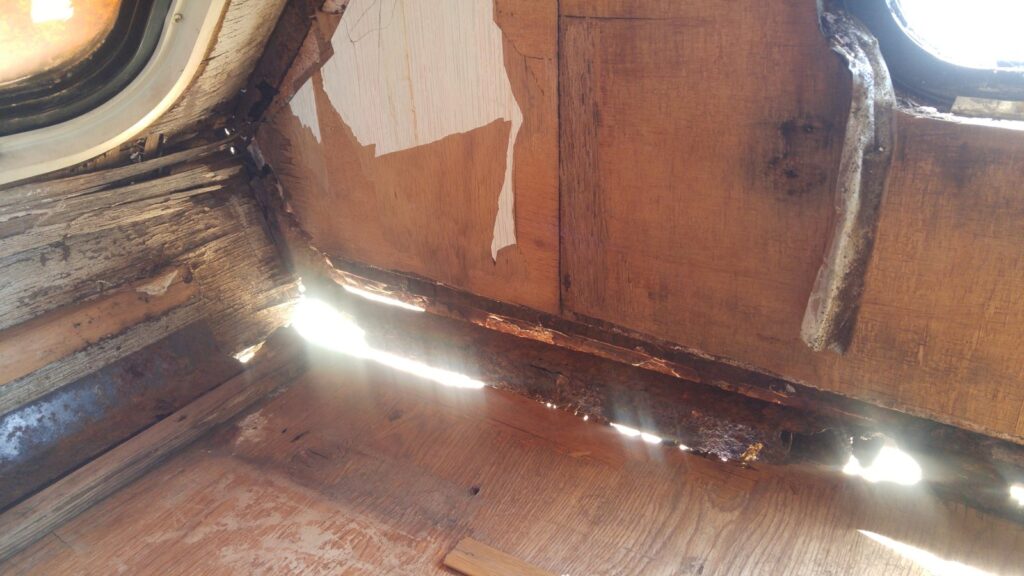
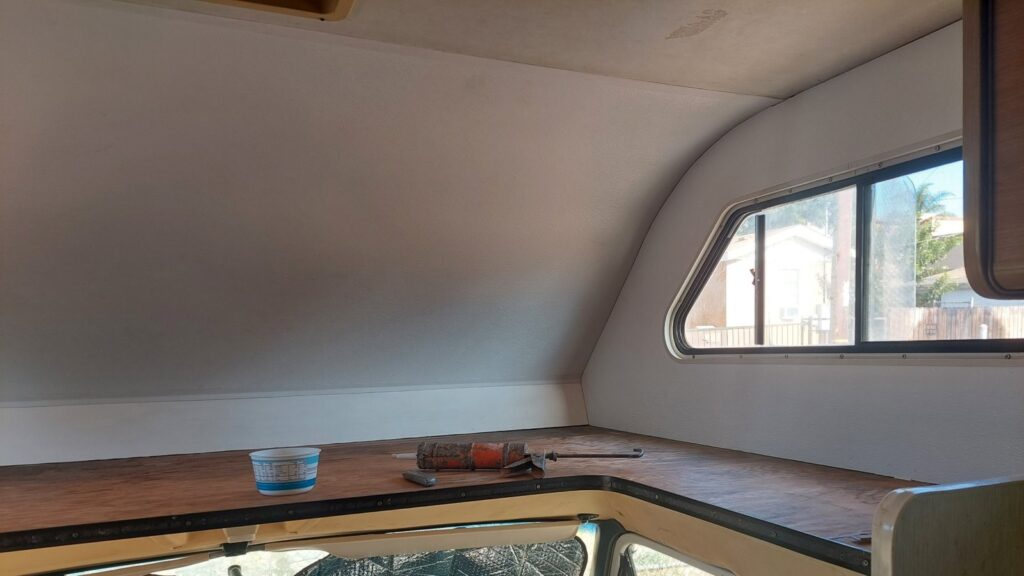
A friend asked me about peeling paneling inside his RV’s cabover. Peeling it back showed a much graver situation: the steel frame under it turned out to be Swiss cheese, and the coach could have opened at freeway speed. So I stripped it back to sound material, welded a new frame, and rebuilt to finished using what I learned on a truck-body line in 1992. For a professional artist I repaired an ambulance conversion the rodents had gotten into, worked on her studio build-out — the load anchors, the cut geometries, the shelving — and worked out the printing, punching, and powder-marking process to lay a mural across several planes of a building. I found and fixed the faults in another RV’s wiring, then installed a Victron system and solar on top of it.
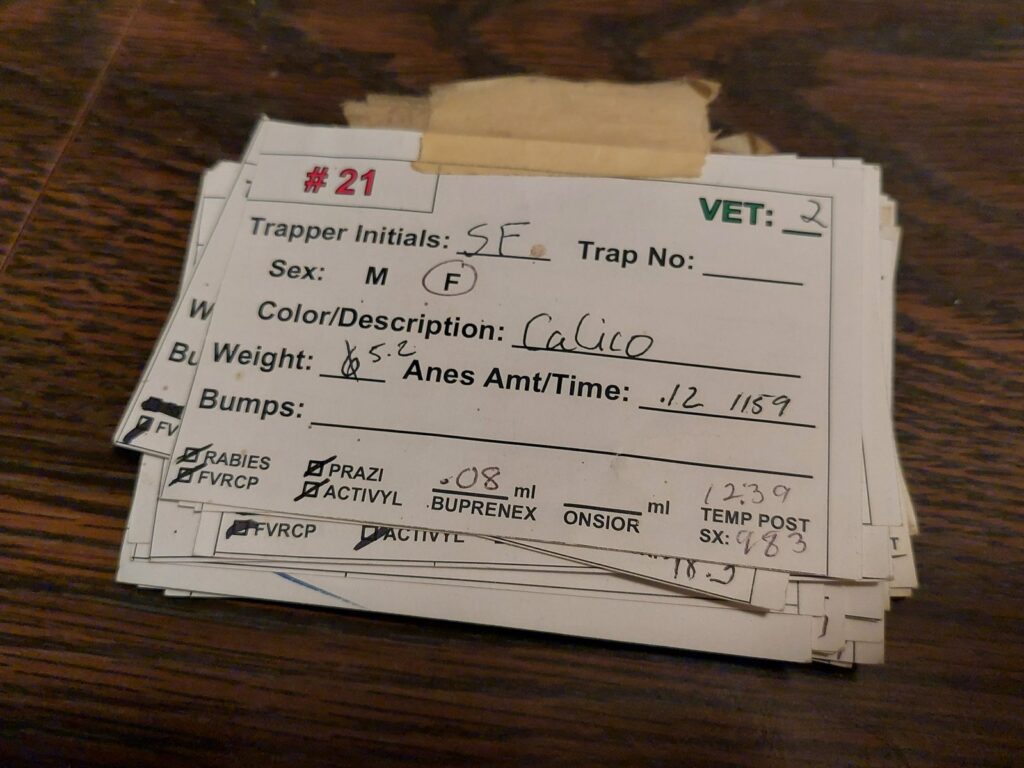
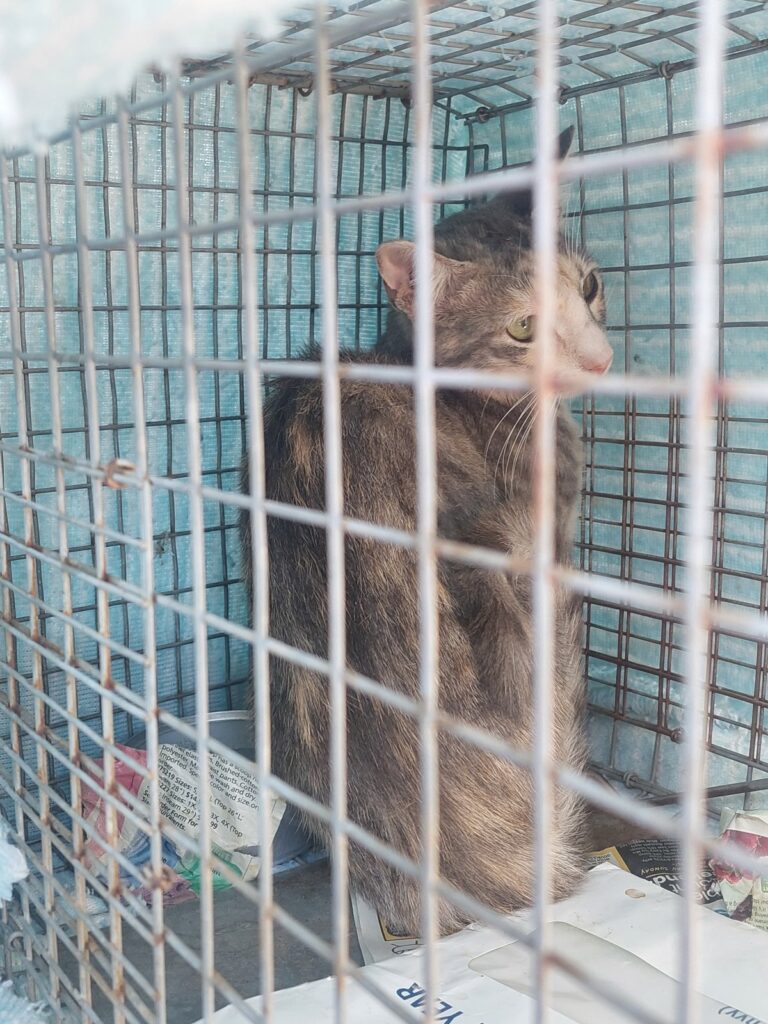
My mother feeds every cat that finds her, and no spay-neuter service exists within reach of the town. So I built a route: 74 feral cats to San Diego and back — each one returned to its own colony, because that’s what keeps them alive — via 22 trips, more than 9,000 miles.
Then the house started failing. A gas bill sent me digging up 35 feet of line and finding elbows a contractor had wrapped badly twenty years earlier; I replaced all of it myself and it passed inspection. Cats had gotten into the attic, so that came out and new insulation went back in. In May 2025, State Farm wrote to say they’d drop the policy unless ten things were fixed. I wrote the remediation plan, worked it for a year, and documented the proof. The policy held.
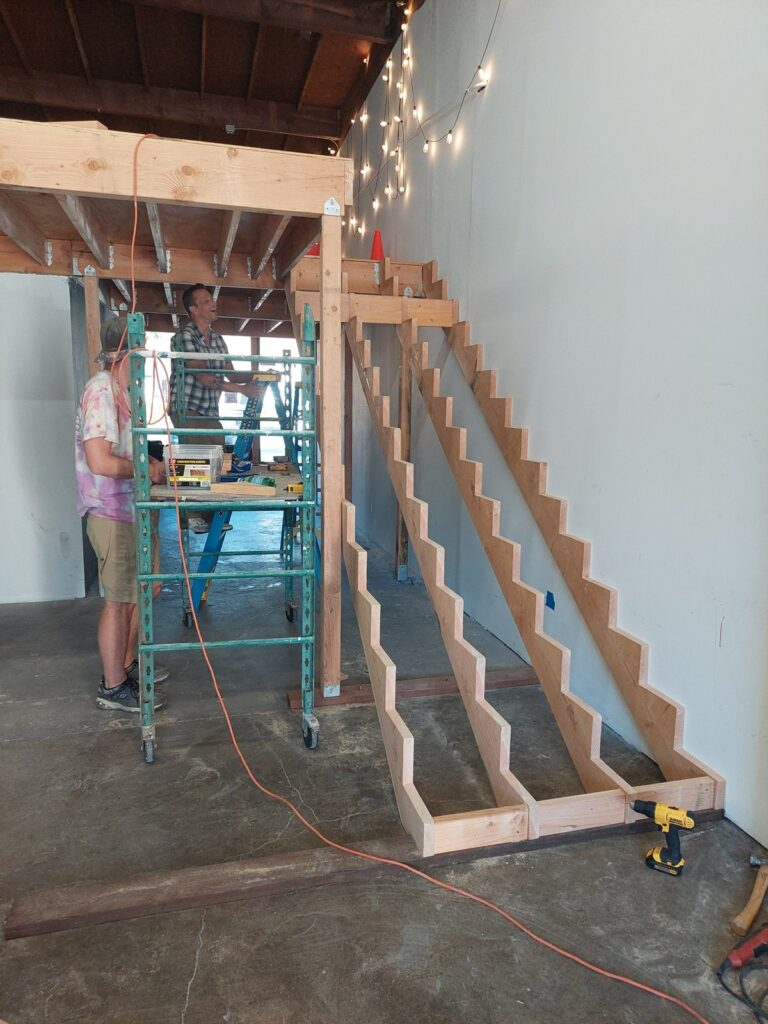
Alongside all of it, since 2024, I’ve been a core volunteer building San Diego CoLab — framing, drywall, insulation, a mezzanine extension and stair relocation, ventilation relocation for the laser cutter, and a working prototype of a site for sharing the shop’s tools and materials.
Mom’s home porch is the current project. The last third of it had stood on 2×4s for twelve years. Doing it properly meant a permit set, and architectural elevations and site plans carry their own conventions for what has to be shown and how it has to be labeled. The drafting I already had. The conventions I learned. I took the set to the city building inspector for a pre-check; he had no corrections. That was this year.
Same disposition. Different materials.
← The longer version · Have a stuck thing? Tell me about it →