The spec is a product, too
Phones for multiple carriers, designed in parallel, specified by authors on three continents. The UI specification was where every decision had to land, and be found, and be trusted. Someone had to make many hands write as one voice.
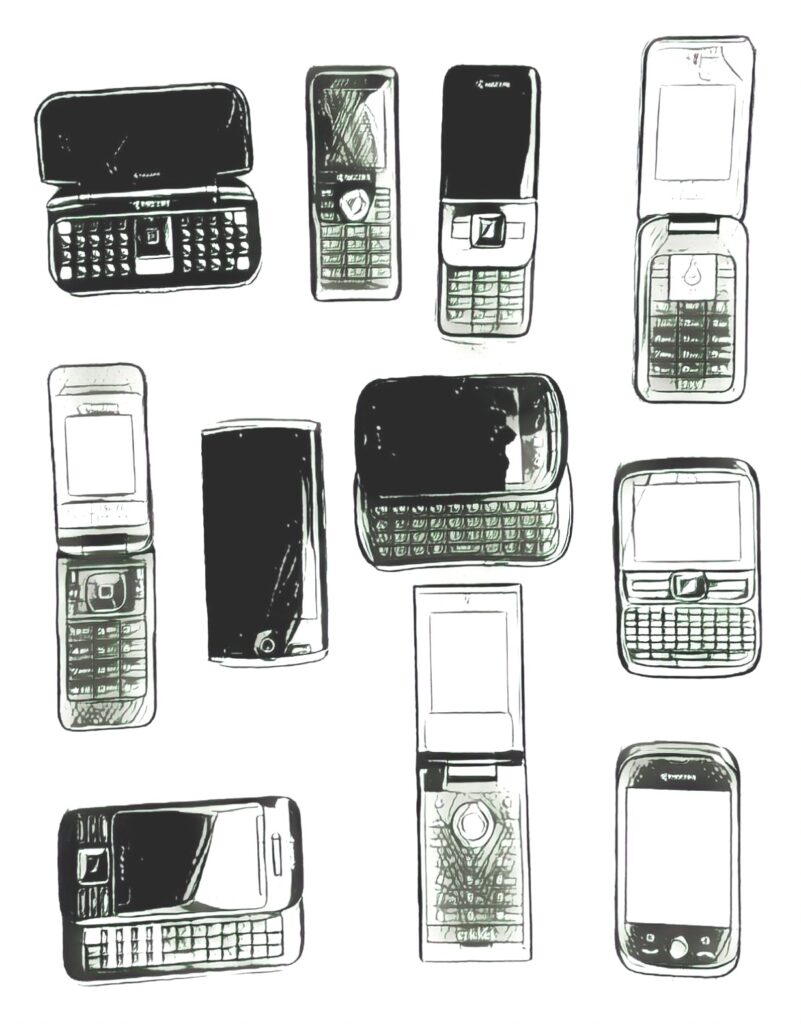
The stuck thing
At Kyocera, many phones moved through design at once, for multiple carriers, each with its own requirements and revisions. The UI specifications were written by a distributed team — the U.S., Russia, and India — in a format that predated that kind of parallel development. When the single source of truth strains, everything downstream strains with it: product planning, engineering, carrier acceptance.
The diagnosis
A specification is a product with users of its own — industrial designers, software engineers, quality assurance, carrier reviewers — and it deserves the same design attention as the phones it describes. The authors weren’t the bottleneck; the format was.
Made it go
I re-created the UI specification format as a modular system: streamlined for reuse, with templates from which each carrier’s differentiations were made, and led a team of five to ten authors across three countries who wrote in it, tracking requirements, change requests, and workflow so nothing landed twice or got lost between time zones. Alongside the documents themselves, I created and revised product UI with mobile carriers, Product Planning, and Industrial Design teams. And when one launch demanded the format’s extreme — three specs, tightly integrated, written exactly in parallel at a breakneck pace — the modular system proved out: Three phones, one deadline →
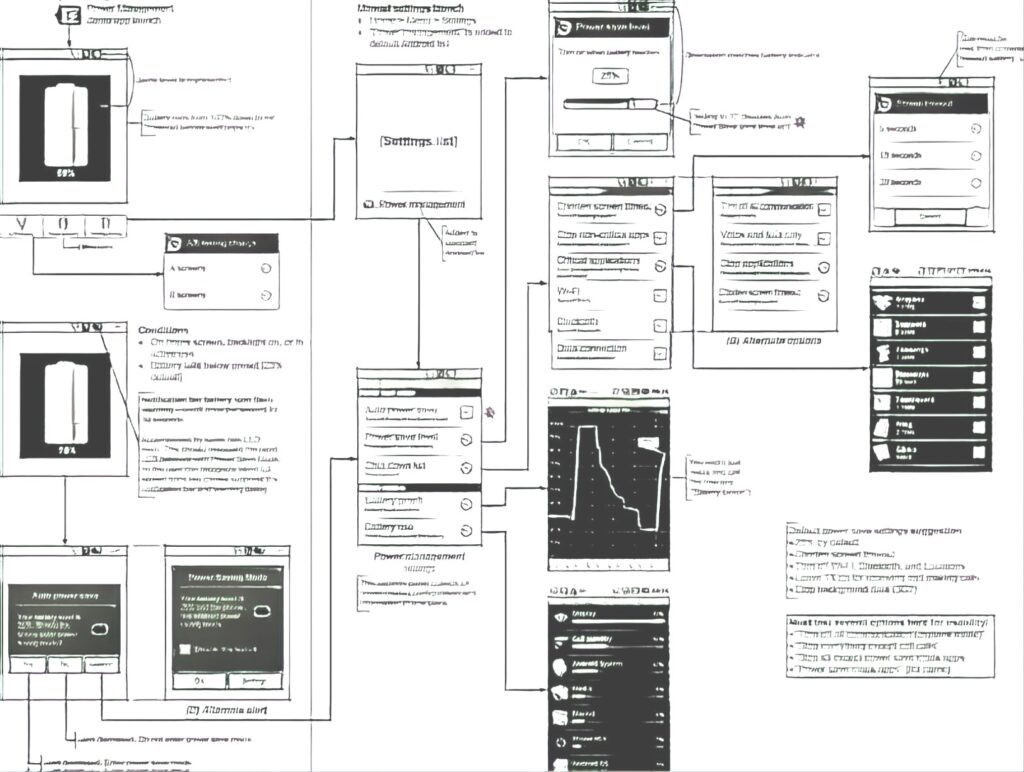
technical writing & specification · information architecture · distributed team leadership · requirements & change tracking
← All work · Have a stuck thing? Tell me about it →