A new chip, made programmable
Micron built a genuinely new kind of processor. But a chip developers can’t think in is a chip nobody adopts.
2.5-year program · concept → proposal → launch · team of 9, plus 8 external (Micron and academic researchers)
The stuck thing
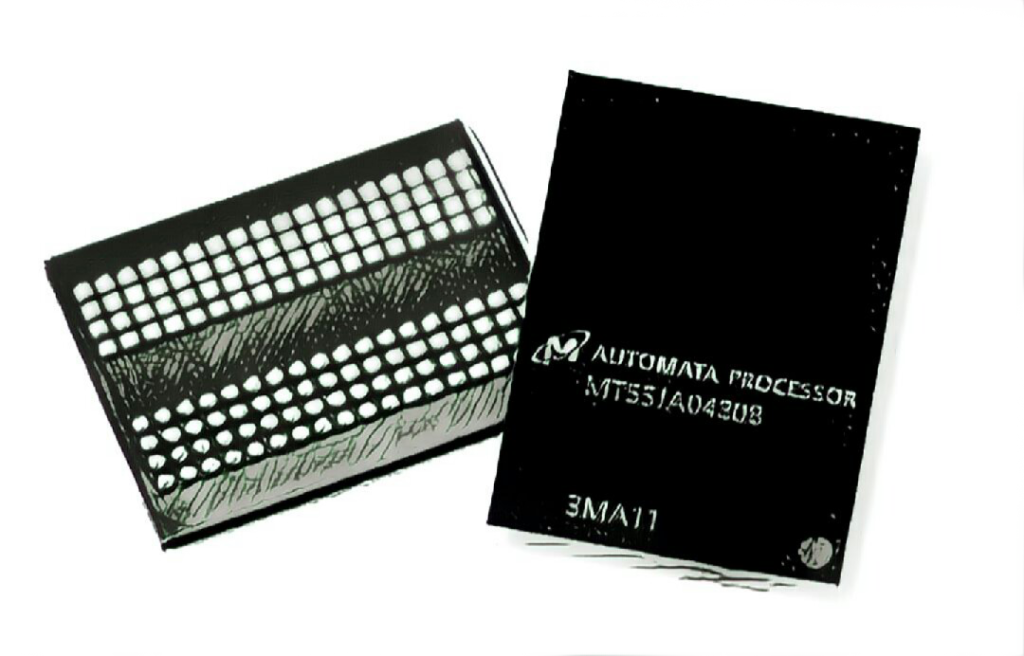
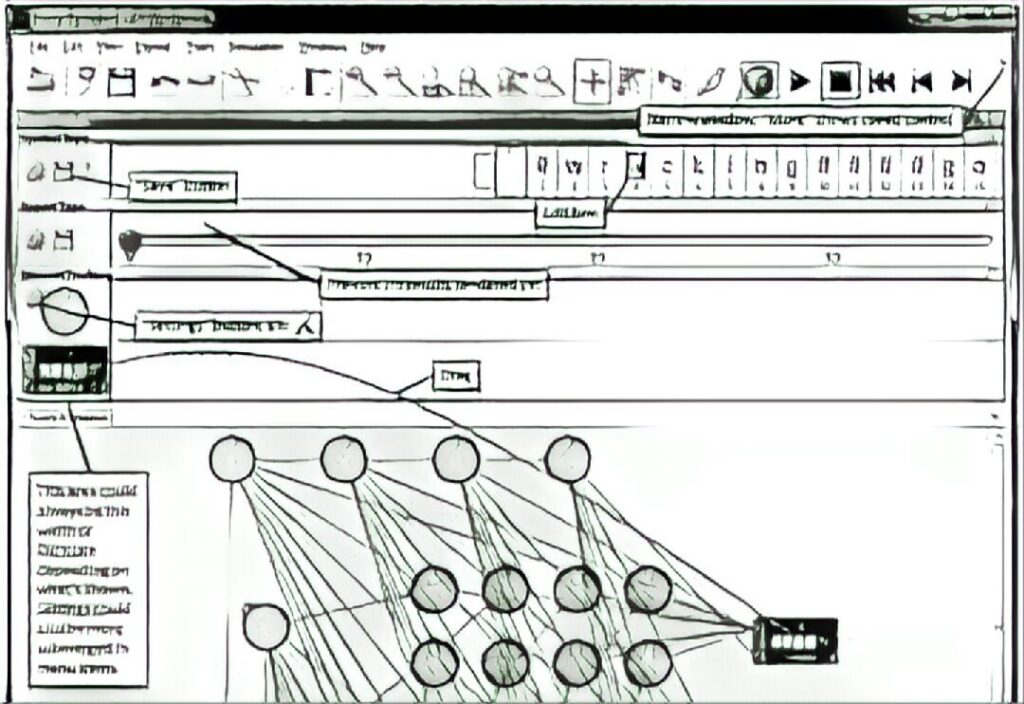
The Automata Processor didn’t work like other silicon: instead of executing instructions, it matched patterns across data streams, massively in parallel, the class of workload that machine learning would soon make ubiquitous. It had the notable ability to generate and execute nondeterministic finite automata (NFA) at the hardware level. The engineers who might use it had no way to build for it: automata designs lived in low-level definitions, and the mental model the chip demanded didn’t exist in any tool.
The diagnosis
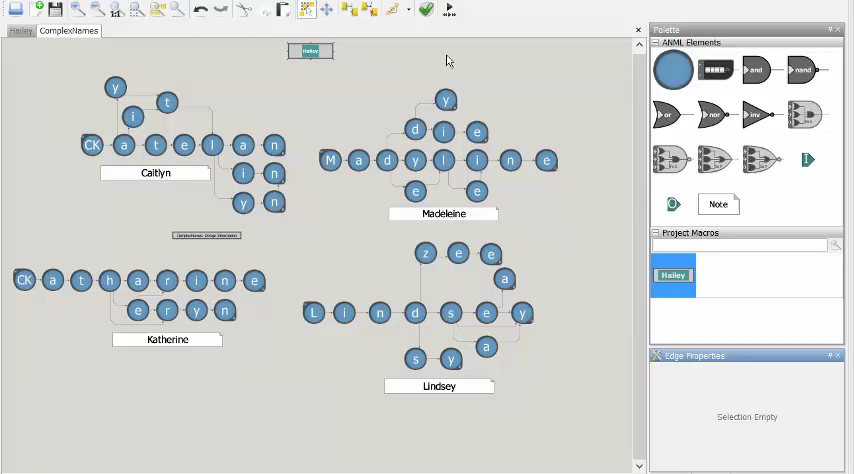
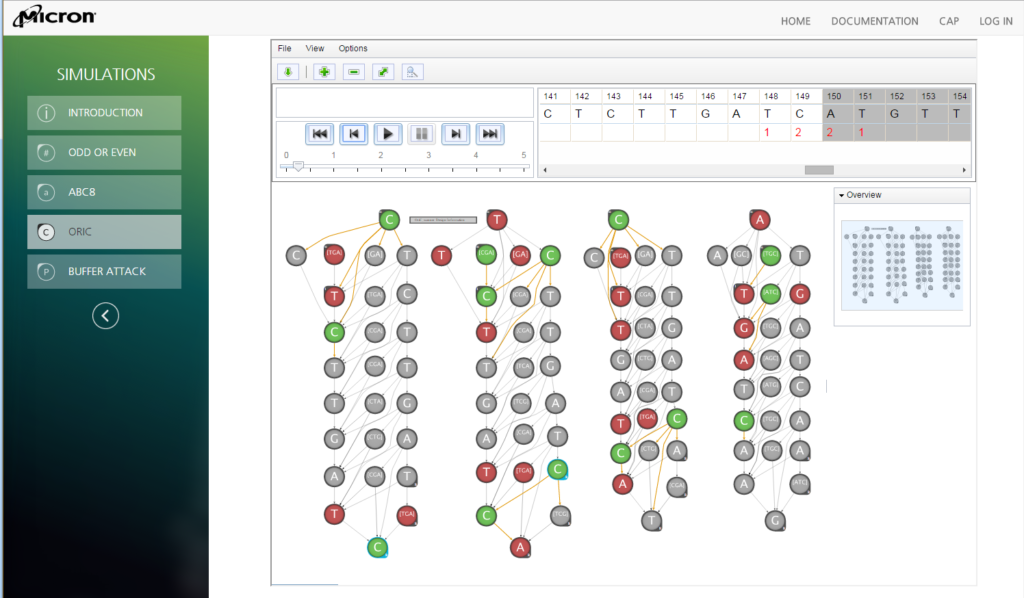
The chip wasn’t the problem. The seam was between a novel architecture and the way developers already think. Automata are naturally spatial: states and connections, a graph you can see. Asking engineers to author them in text hid the one representation that made the chip make sense. What was missing was a tool where the chip’s native structures were visible and directly workable.
Made it go
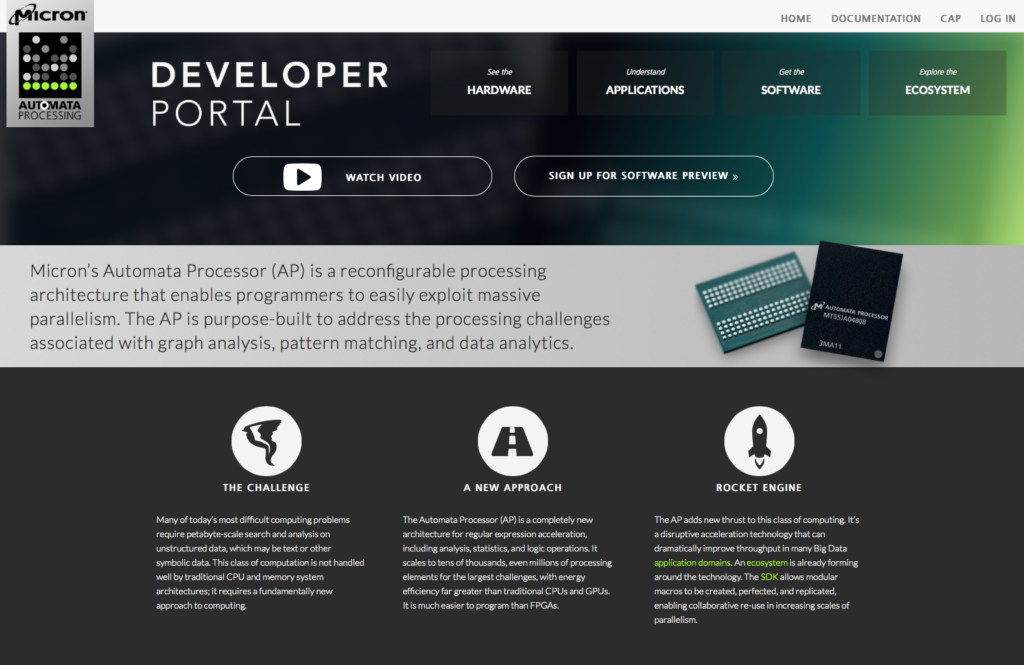
I created the initial concepts and the proposal that landed the project, developed the visual and interaction design for the development environment, and worked directly with the software developers implementing it. States became “state-transition elements,” transitions became processing cycles — the look borrowed from finite-state-machine diagrams engineers already knew, kept close but deliberately not identical, so the familiarity carried the new idea. The work outgrew its delivery date in the right direction. Micron wanted a public face for the technology, so I created the proposal and initial design for its developer portal, micronautomata.com: an introduction for general audiences, application information for target markets, and documentation, tutorials, and an online simulator for the engineers. The portal went live in the weeks before Micron’s marketing push at the Supercomputing 2014 trade show and seeded a user community for the new chip; explainer videos and an interactive trade-show demo carried the same story to the show floor. Micron named the team a crucial partner on the Automata Processor, and the program later spun off into its own company.
technical analysis · interaction design · proposals & SOWs · developer tools
← All work · Have a stuck thing? Tell me about it →