A rattle on a cold start
Nobody writes a car off. They stop paying for it, one repair at a time.
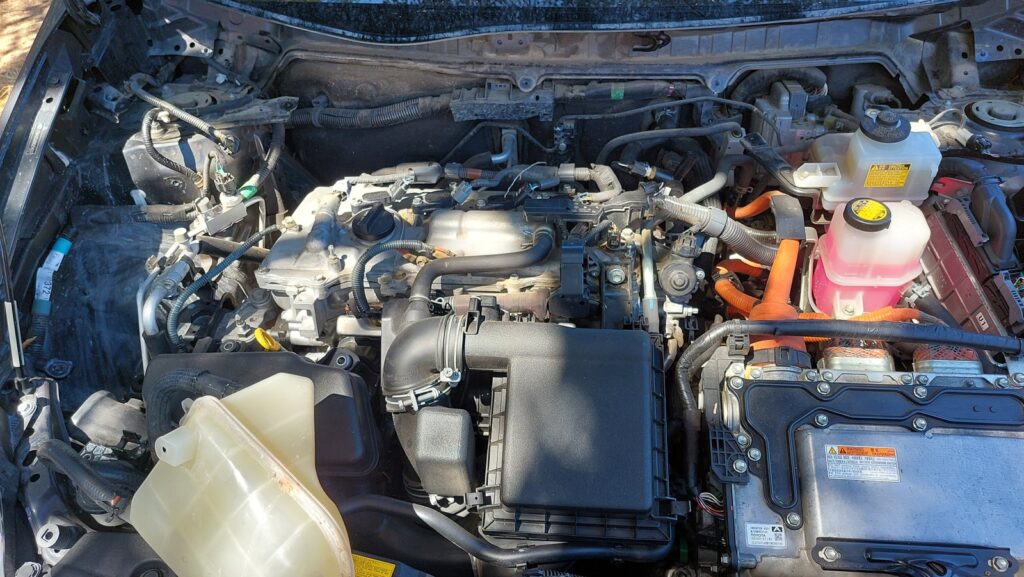
The stuck thing
In mid-2022, my 2011 Prius developed a knock on startup — a hard rattle for a few seconds after sitting overnight, then nothing. Warm, it was fine. Cold, it sounded structural.
It was coolant. The head gasket had gone, and while the engine sat and cooled, coolant seeped past it into a cylinder. On the next start the engine knocked until it had cleared what had pooled there, then ran clean.
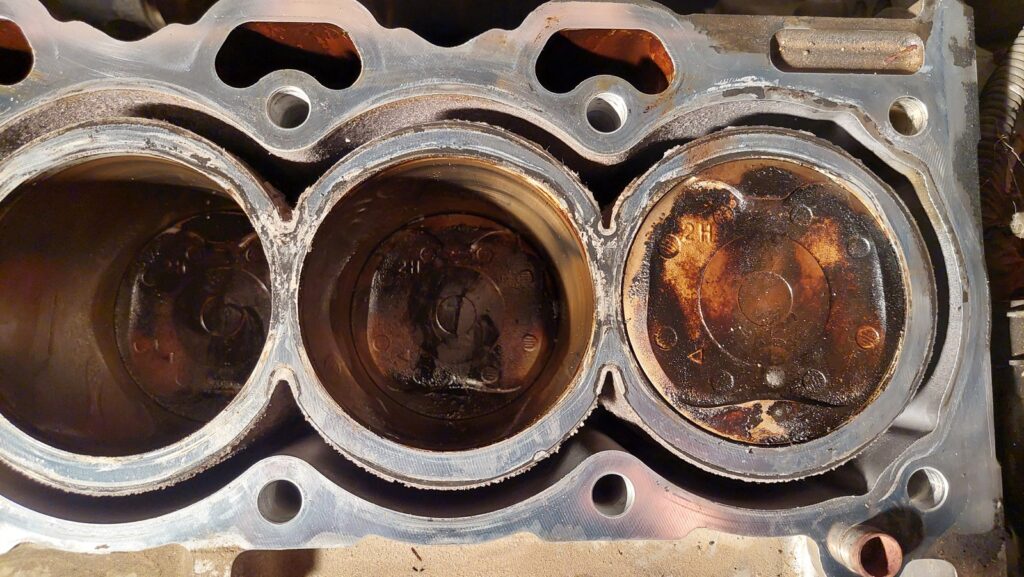
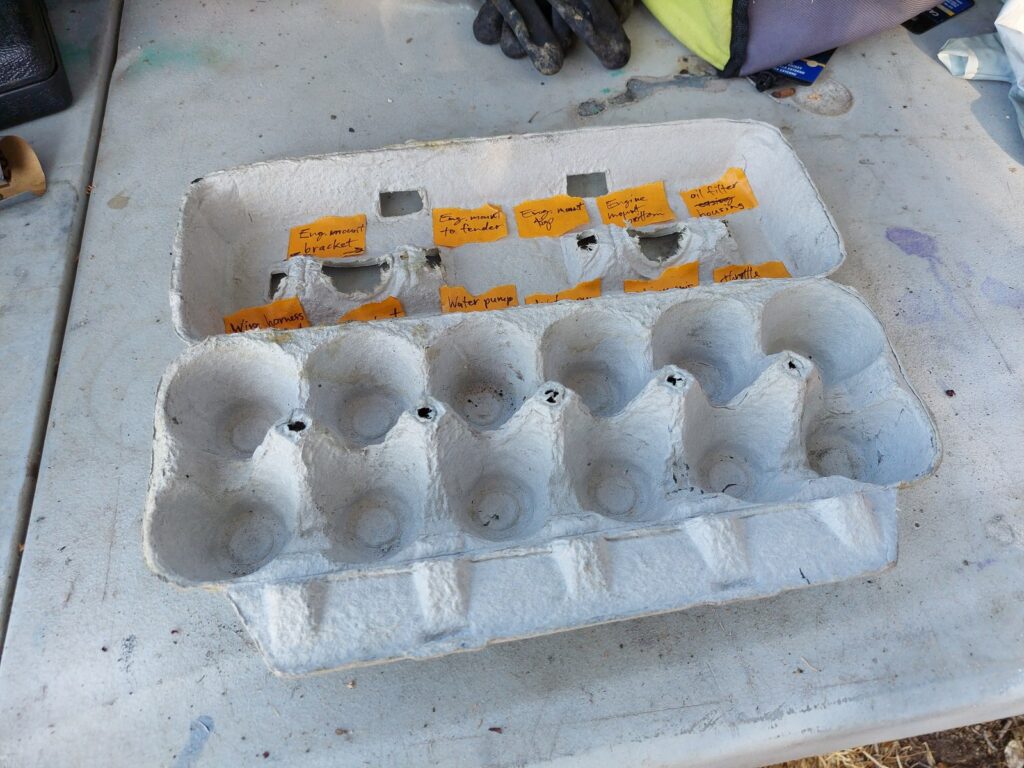
That is the diagnosis in one photograph, and a second finding beside it. Three cylinders carboned, one washed clean: a leak had been running into number two long enough to scrub the crown. And in the coolant passages, stop-leak, put in by the previous owner to quiet the symptom before selling the car. It worked for a few months. What it left behind had to be cleaned out by hand.
The job
The shop book calls it about twenty-two hours. It took a week and a bit of evenings, in a yard, on a hybrid whose engine sits sideways in a bay packed with high-voltage hardware.
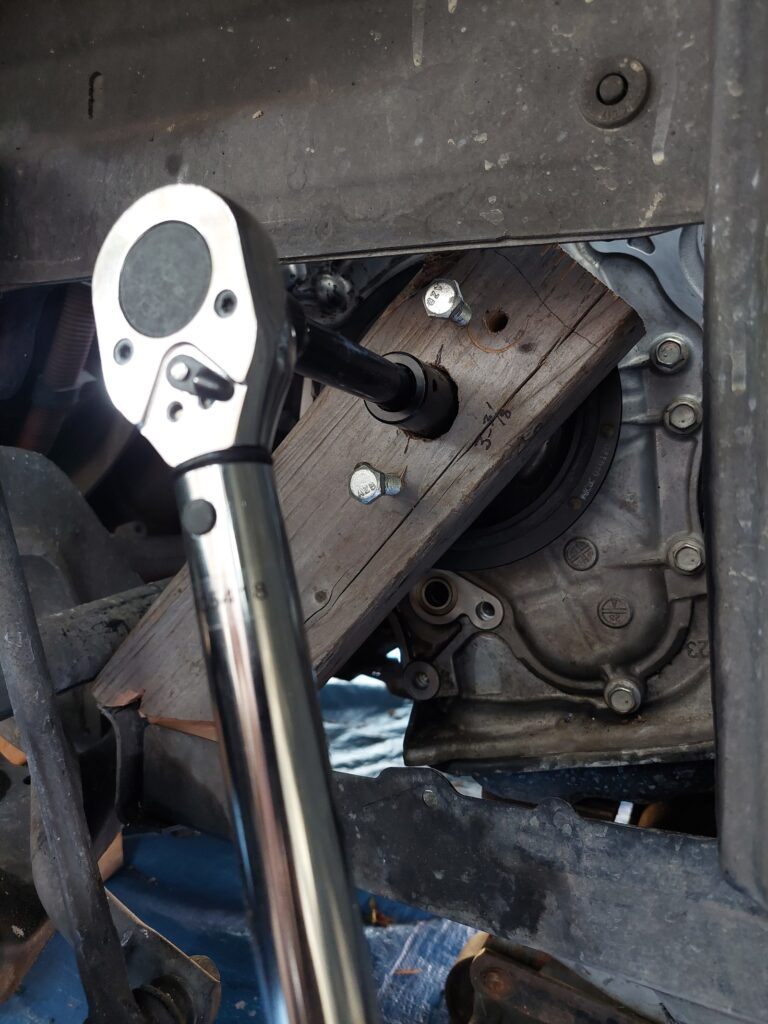
Getting to it meant coming through the front of the engine, and that meant the harmonic balancer — a crankshaft bolt torqued to a figure you cannot break loose without stopping the crank from turning. There is a factory tool for this. There is also a block of wood and two bolts.
Then the part most write-ups skip: check the head for warp. A gasket is a consumable; a warped head is why the replacement fails too. The head came off and got gauged with a straightedge across it in several directions, then face down on glass. Both methods need two hands, which is why there is no photograph of either.
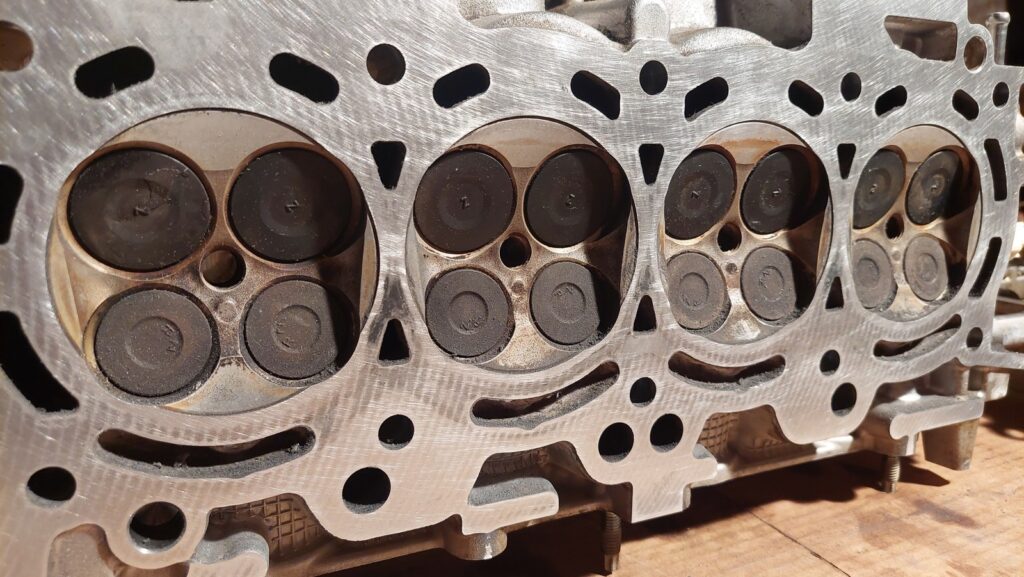
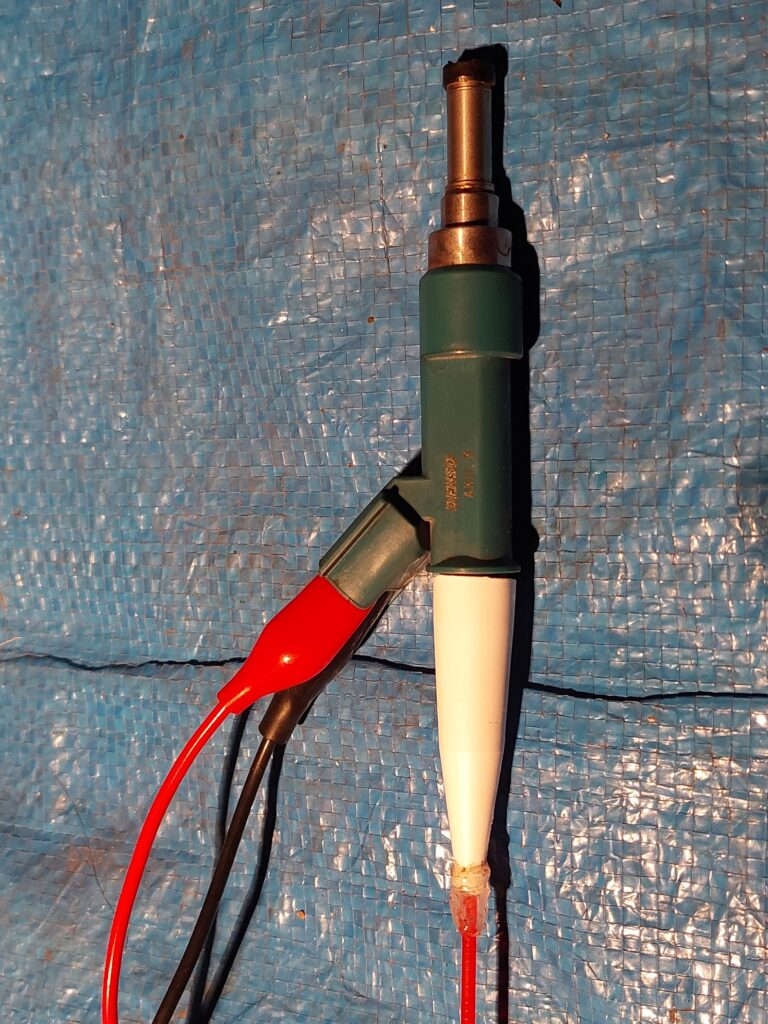
While it was apart: the other gaskets, and the injectors were cleaned on a rig made from a caulk cone siliconed to the spray tube of a cleaner bottle, so each injector could be pulsed and flushed on the bench instead of guessed at.
Nobody agrees what causes it
The third-generation Prius has a reputation for this failure, and the explanations do not agree. Long-life coolant left in past its interval and turning acidic. The electric water pump failing. Carbon clogging the exhaust-gas recirculation circuit unevenly, so cylinders run at different temperatures. Toyota’s own bulletins describe carbon fouling the EGR ports in the intake manifold, or condensation collecting there and running into a cylinder on cold soak — the same rattle, a different mechanism — and prescribe an updated manifold. Also, updated oil rings on each piston to clean more oil from the exhaust. Entertaining that rebuild was too much.
What I could do was rule things out and fix what was demonstrably wrong. The water pump was checked; it was fine. The EGR circuit and intake were not — so they came out and were cleaned, and cleaned again in December 2025, as maintenance rather than repair.
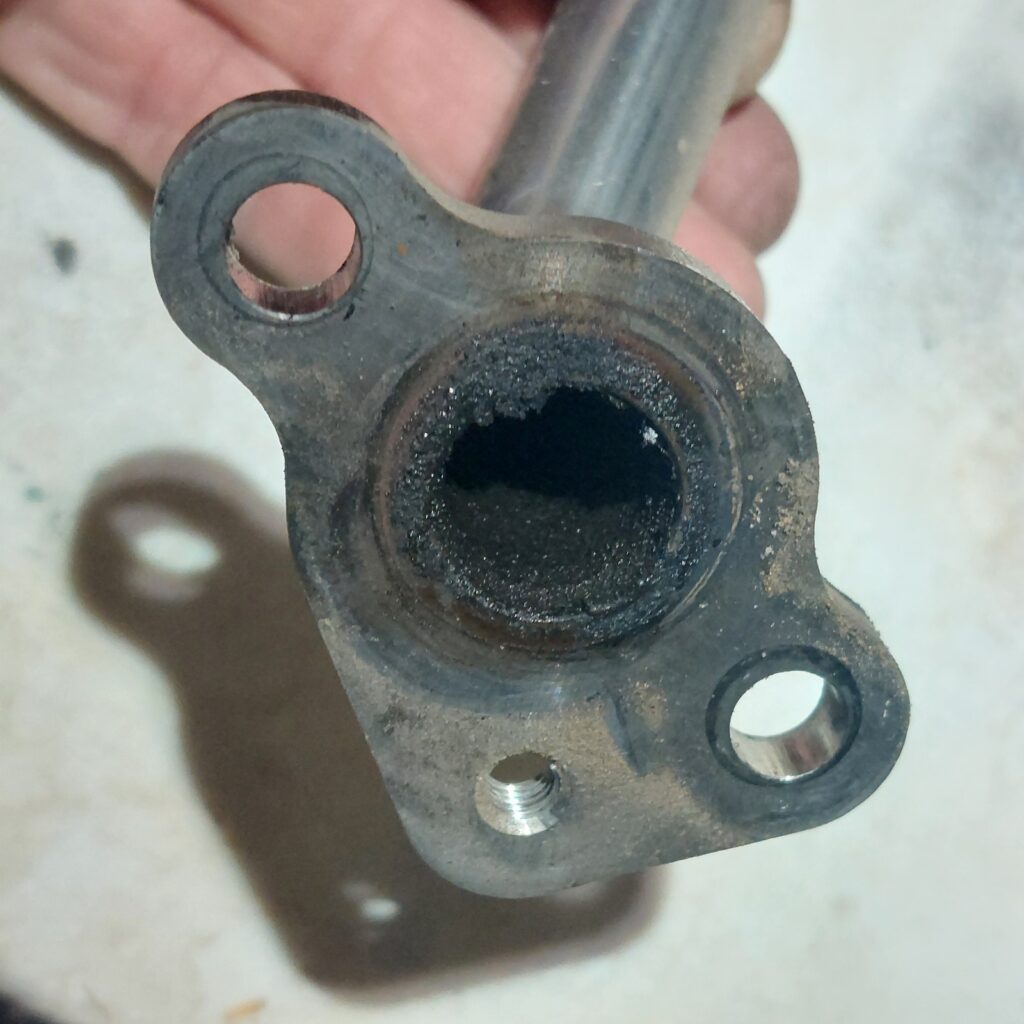
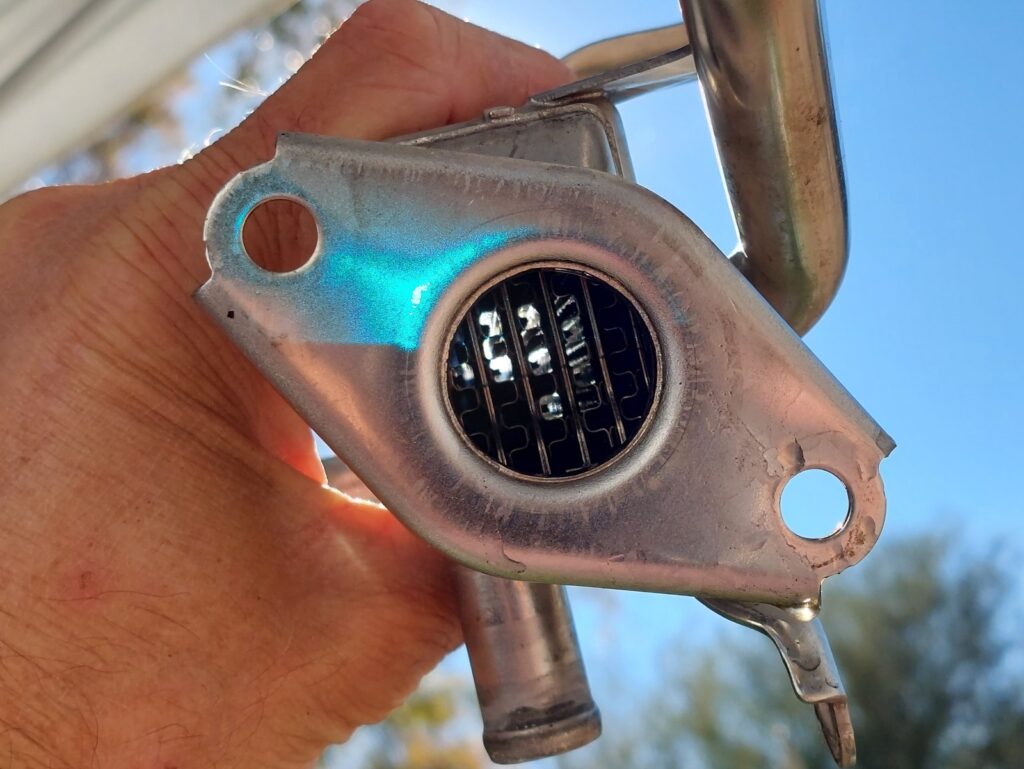
Holding it up to the light is the whole test. A part that looks clean and a part that passes light are different claims, and only one of them is evidence.
Fourteen readings, twenty-eight modules
The car before it was a 2004 Prius, and at 259,999 miles its traction battery began to fail.
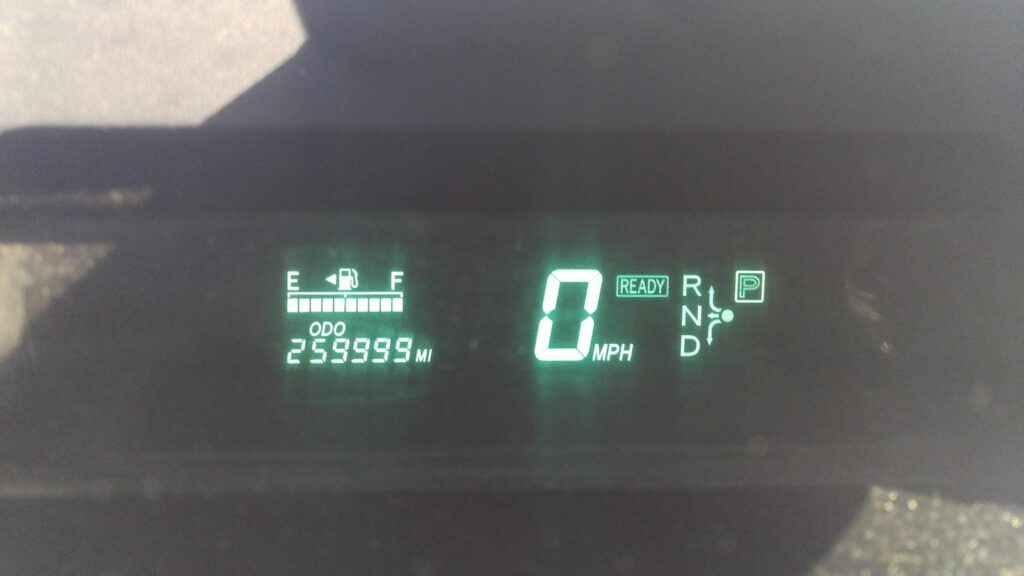
A failing pack is not one thing failing. It is twenty-eight modules in series, and one weak one drags the whole string down with it. Find that module and the pack lives. Guess at it and you have replaced twenty-seven good ones.
So: a Bluetooth OBDII scanner, and a Torque screen built to show the pack the way it actually reports itself — fourteen readings, one for each pair of modules. Watch it work and the weak pair separates from the other thirteen.
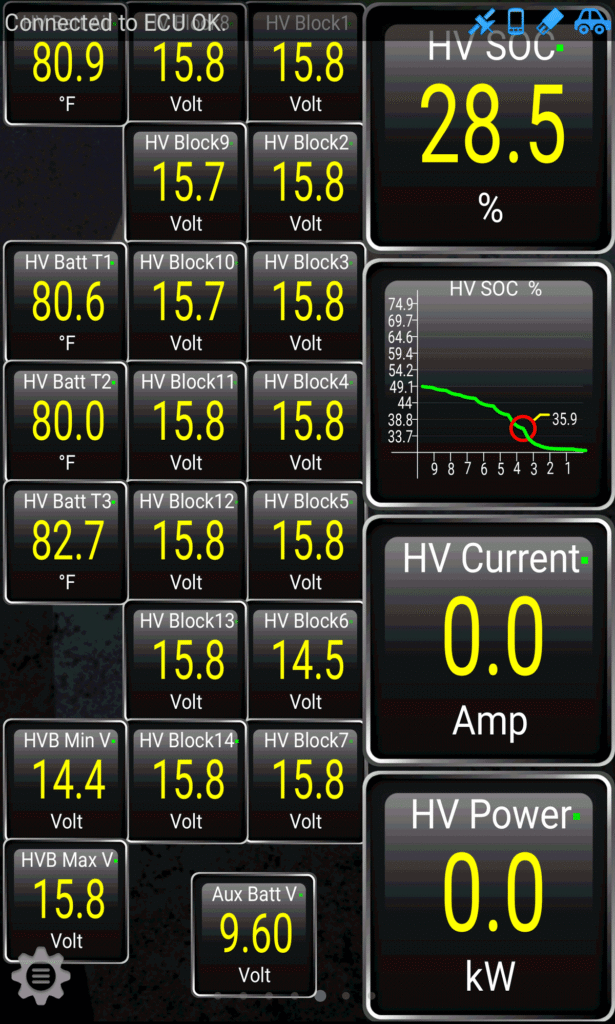
That gets you to two modules. It does not tell you which of the two. There is no readout below the pair and no tool in the box for it — so the tool got made: a block of wood, a halogen headlight bulb as a known resistive load, alligator clips, two wire nuts. Put each module across it on its own and watch which one collapses.
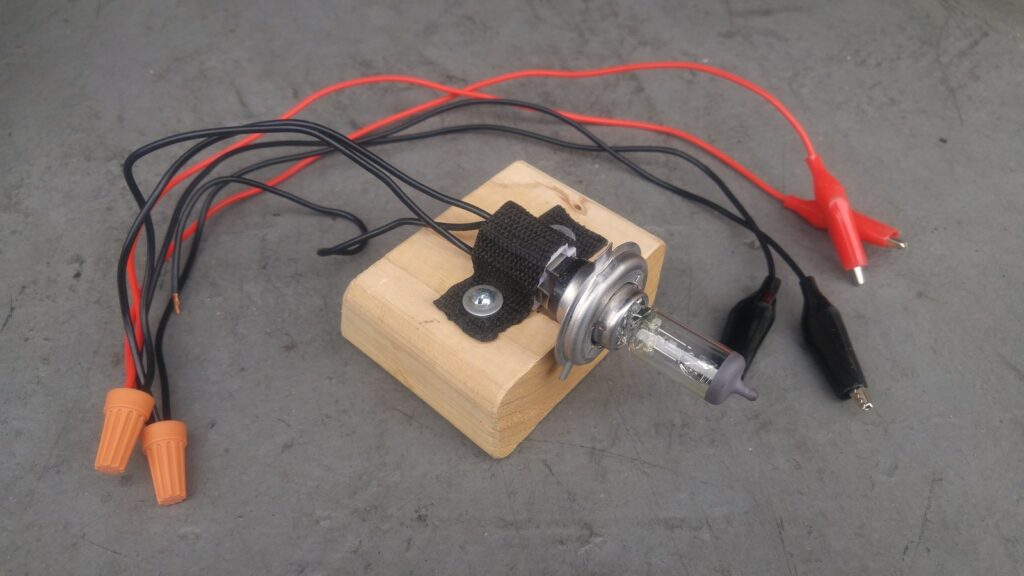
One bad module out of twenty-eight. That one replaced, the rest reconditioned.
The same car was also letting water in. The sound-deadening foam under the carpet came out saturated — wring it and it dripped.

Rather than wait for rain, the leak was reproduced with a hose until water found its way in, and the point it arrived was marked on the car. Where it was getting in is a known weakness on this chassis: the roof channels where the roof meets the side pillars and the rubber fittings seat, and the top corners of the hatch opening. Both were sealed with silicone.
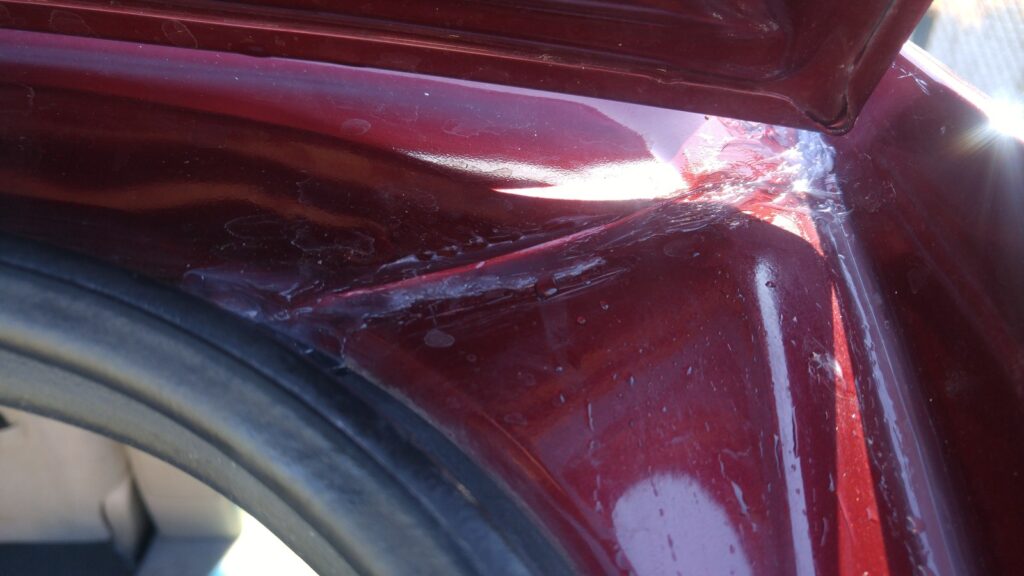
The leaks stopped, and both fixes were still holding fifteen thousand miles later.
What it bought
The 2011 went to nearly 290,000 miles. What ended it was not the engine. The catalytic converter needed replacing, other problems were starting, and California will not accept an aftermarket cat — so the only legal part was an OEM one, at a price beyond what the car was worth. That is an arithmetic decision, not a mechanical one.
The 2004 went to 350,000, and came off the road because somebody rear-ended it.
Every repair and every service on both cars was mine, including the replacement hybrid pack in the 2011.
Two cars. Around 640,000 miles. One ended by a collision, the other by an emissions part costing more than the car.
engine mechanical · hybrid battery diagnosis · instrumentation · fixture & tool making · leak tracing · sealing
← All work · Have a stuck thing? Tell me about it →