Three phones, one deadline
A carrier launch date doesn’t move. Cox needed three customized Kyocera phones ready for it: five vendors, three internal teams, one $12M budget, and a timeline the standard process couldn’t survive.
$12M carrier launch · three phones, three markets · five outside vendors + three internal teams · one year, half the usual cycle

The stuck thing
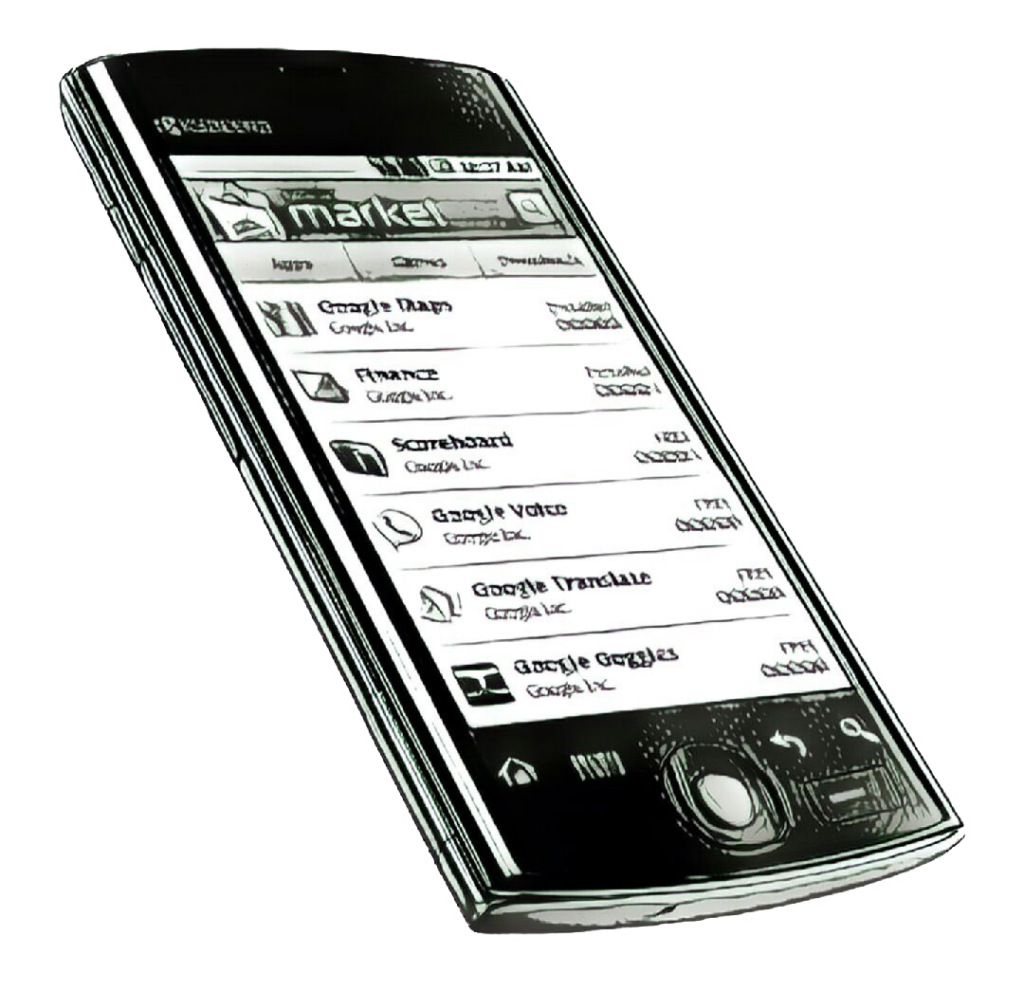
Cox was entering select markets and needed its own versions of three different Kyocera phones — custom UI, carrier requirements, and branding on each — launching together. Each phone had its own mix of internal teams: product planning, UX design, software. The normal way to do this was one device at a time, with a process built for one device at a time. There wasn’t time for the normal way.
The diagnosis
No single phone was the risk. Each team chain could build its own device. The failure mode lived in the seams: one set of carrier requirements interpreted three ways, five vendors working from three understandings, changes rippling across devices with no one tracking the whole. Complex requirements plus a short timeline doesn’t call for heroics; it calls for a process shaped to the actual problem.
Made it go
I led the design effort across all three phones in parallel and tailored the process to fit: coordinated the disparate internal teams and the five external vendors building components; kept requirements and change requests tracked in one place; and pushed the modular UI-spec format to its extreme — three specs, tightly integrated, written exactly in parallel — so every team was building the same launch. Frog Design set the visual style, then handed off; I distilled it into principles and use cases the outside vendors could build to, and pressed the compromises when a vendor balked at the cost of matching the others. The game was differentiation: Cox was among the first, possibly the first, to deliver over-the-air updates on feature phones. Cox accepted all three customized devices, and they launched together on the date that couldn’t move.
cross-functional coordination · requirements & specs · process design · team leadership
← All work · Have a stuck thing? Tell me about it →